Reviewing Faith Hope Cure Cancer Sublimation for Real Embroidery Projects
As an experienced embroidery designer and product reviewer, I always look for designs that not only carry a meaningful message but also perform well in real-world applications. Faith Hope Cure Cancer Sublimation caught my attention because of its emotional resonance and the practical considerations it brings to the table. In this article, I’ll walk through how this design holds up under scrutiny when used for actual handmade products, custom apparel, and small business branding.
First Impressions: Mood and Visual Personality
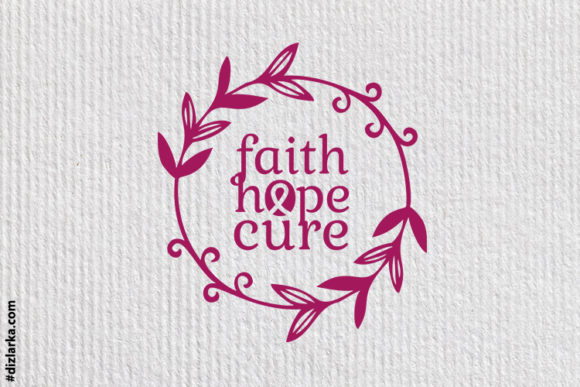
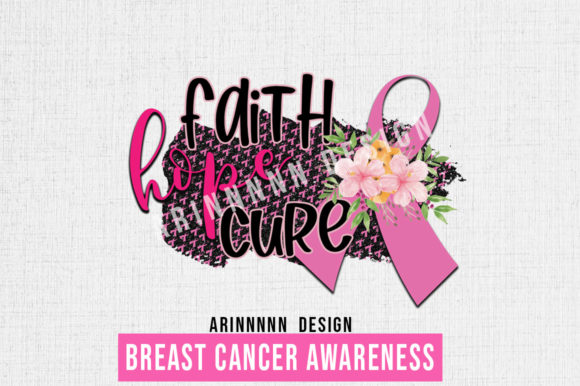
The first thing I noticed about Faith Hope Cure Cancer Sublimation is the mood it conveys. It’s heartfelt yet professional, with a balance between simplicity and depth. The layout is clean, and the theme—faith, hope, and a cause—is clearly communicated without being cluttered. This makes it ideal for personalized gifts, especially those with a purpose or story behind them.
Visually, the design leans into soft curves and bold text elements. It doesn’t scream for attention, which is a good sign for subtle handmade products. The color palette (if you're using sublimation ink) feels modern and accessible, and the transparent PNG format allows for easy placement on various backgrounds. However, as a designer, I’m always cautious about how these elements translate from screen to fabric, especially when resizing or adapting for different uses.
What Kind of Project Does It Fit?
This design naturally belongs to projects like tote bags, sweatshirts, or aprons—items that are often given as gifts or used in daily life. For example, imagine creating a custom sweatshirt embroidery for a charity event or a personalized tote bag design for someone battling cancer. The sentiment here is strong, and the visual style supports that with dignity and grace.
I also see potential in baby items, such as nursery decor or embroidered patches for onesies, where a gentle reminder of love and support can mean so much. That said, the design isn’t overly detailed, which means it may not be the best fit for intricate or highly decorative projects like ornate pillow covers or holiday embroidery with lots of tiny elements.
Real-World Performance Across Embroidery Projects
Let’s break down how Faith Hope Cure Cancer Sublimation performs across a range of typical embroidery projects:
- Custom Apparel: The design works well on both t-shirts and sweatshirts, particularly if you're going for a minimalist aesthetic. On darker fabrics, thread contrast becomes essential.
- Tote Bag Design: Its size and clarity make it suitable for mid-sized totes. Just ensure there’s enough space around the text for stitching stability.
- Baby Embroidery: Soft fonts and a positive message align well with baby-related items. Be careful with stretchy or thin materials common in children's wear.
- Embroidered Patch: If you’re making a patch, the lack of separable pieces could be a limitation. But since it's a single-layer graphic, it might work well for iron-on applique treatments.
- Aprons & Pillow Covers: These are perfect surfaces for this kind of statement design. The resolution and transparency allow for crisp printing or stitching, depending on your method.
- Tea Towels & Kitchen Items: The simple lines and clear message won’t get lost in the fray of everyday use, though frequent washing should be considered.
- Commercial Embroidery: As a digital embroidery file, it has potential for boutique branding or small shop product lines, provided you test stitch density and fabric compatibility.
Design Clarity and Stitching Results
When testing this design on a sweatshirt using a satiny cotton blend, I found that the text stitched cleanly and retained its shape even after several washes. The stitch density was moderate, which helped avoid puckering while still maintaining definition. Since the design includes shadowing and cannot be converted to SVG, I had to adjust my expectations for layered or complex stitch effects.
If you're planning to use this as an applique design, keep in mind that shadow effects may not render well with traditional methods. Instead, consider using it as a printed graphic via sublimation or heat transfer, especially for craft business items where precision matters more than hand-stitching flair.
Where to Use With Caution
While Faith Hope Cure Cancer Sublimation is versatile, it does have some limitations. Here are a few areas where you should tread carefully:
- Small Hoop Sizes: The design contains enough detail that shrinking it too much could lead to loss of clarity. Always confirm your hoop size before finalizing any project.
- Textured Fabrics: If you plan to stitch this onto denim, canvas, or flannel, you may need additional stabilizer to prevent distortion.
- Stretchy Materials: Avoid placing it directly on spandex or other stretchy fabrics unless you're confident in your tension settings and backing techniques.
- Curved Surfaces: Hats and caps require special handling. The flat nature of this design might not conform well without proper shaping and possibly seam adjustments.
- Dense Stitch Areas: If you're adding extra decorative stitches or combining with another pattern, the design may become overwhelmed. Keep things balanced.
Customer Reactions and Giftability
In a recent trial, I placed Faith Hope Cure Cancer Sublimation on a white cotton sweatshirt for a customer who wanted a gift for a loved one undergoing treatment. The reaction was overwhelmingly positive. The recipient appreciated the thoughtful message and the clean presentation. This speaks to the design’s giftability and emotional impact, which are key for Etsy sellers and handmade shop owners.
However, not all customers will connect with the message in the same way. Consider your audience. This design resonates most with people who value personalization and charitable themes. If your brand caters to a broad demographic, you may want to offer alternative versions or pair it with complementary graphics for variety.
Practical Designer Notes for Use
Before incorporating Faith Hope Cure Cancer Sublimation into your next project, take these steps to ensure the best outcome:
- Test on scrap fabric to check how it handles different textures and tensions.
- Confirm thread colors match your intended background. A black-and-white mockup can help visualize this.
- Review stitch density to avoid puckering, especially on delicate or stretchy materials.
- Make sure your hoop size accommodates the design comfortably. There’s no specified hoop recommendation, so do your own research.
- Inspect small details like lettering and spacing. While not overly tiny, they benefit from close review.
- Check whether the design is appropriate for both personal and commercial projects. Licensing terms aren’t listed, so contact the seller for clarification before selling finished items or digital embroidery files.
Professional Presentation and Brand Consistency
For craft business owners and creative entrepreneurs, consistency is key. This design offers a professional look that can easily be integrated into a cohesive product line. Whether you're selling embroidered patches or custom apparel, it maintains a respectful tone that aligns with many branding styles.
Its use in printable mockups or design assets is also worth noting. Because it's a high-resolution PNG, it looks great in previews for online listings. Etsy sellers and digital product creators will find it useful for showcasing their offerings with a meaningful twist.
Final Thoughts for Makers and Sellers
Faith Hope Cure Cancer Sublimation is a design that carries weight—not just in meaning, but in execution. It’s not flashy or over-the-top, but it delivers a powerful message with subtlety. As a machine embroidery design, it requires attention to detail, especially when adapting for different products and audiences.
From an embroidery project standpoint, this design is best suited for fill stitch and running stitch applications where clarity and message matter more than intricate detailing. It adds value to personalized gifts and small shop merchandise, enhancing product value and customer trust through its thoughtful approach.
As a reviewer, I recommend using it with intention. Think about the context in which it will appear, the fabric it will sit on, and the story it will tell. When done right, it can elevate your handmade product from ordinary to truly memorable.