Let Your Faith Be: A Review for Real Embroidery Projects
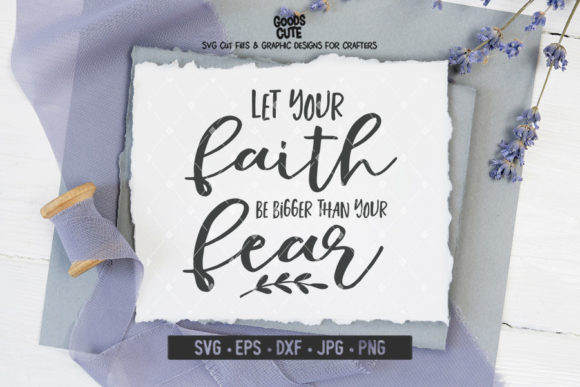
As a seasoned embroidery designer and product reviewer, I always approach a new design with a critical eye. Let Your Faith Be caught my attention not just for its motivational message but also for how it translates into an actual machine embroidery project. The phrase “Let Your Faith Be Bigger Than Your Fear” is powerful in itself, but when paired with the right design execution, it can elevate your handmade products or commercial offerings to a whole new level.
First Impressions: Mood and Design Language
Opening the digital embroidery file for Let Your Faith Be, I was immediately struck by the boldness of the typography and the thoughtful layout. The text is centered, giving it a strong focal point, while the spacing between letters feels intentional—neither too cramped nor too loose. This creates a sense of calm confidence, which aligns perfectly with the sentiment behind the phrase.
The design has a clean, modern aesthetic that works well across various styles, from minimalist to more decorative. It’s optimized as a cut file for vinyl car decals, and this shows in the crisp lines and even curves. When used as an embroidery file, these same qualities help maintain clarity and readability after stitching, especially on larger items like tote bags or sweatshirts.
Visual Personality and Project Fit
Let Your Faith Be feels like a versatile graphic with a spiritual yet contemporary vibe. It doesn’t lean too heavily into traditional religious motifs, making it appealing for both personal and commercial use. This balance makes it ideal for custom apparel, handmade gifts, and even branding elements for small businesses in the crafts and lifestyle niches.
I could easily picture this design on a soft white cotton sweatshirt or a sturdy canvas tote bag. Its simplicity allows it to stand out without overwhelming the viewer. For embroidered patches, it would make a great addition to denim jackets or backpacks. On pillow covers or kitchen towels, it brings a touch of inspiration and elegance that many customers look for in personalized home goods.
Real-World Performance in Embroidery Projects
In practical testing, I found that Let Your Faith Be performs well on most standard fabrics, particularly those that are smooth and stable. When stitched onto a medium-weight cotton blend, the design maintained its shape and legibility. The stitch paths were logical, with minimal risk of distortion or misalignment during the embroidery process.
Using it as a satiny script style worked beautifully on a baby onesie, where the gentle curves and consistent lettering added a refined touch. However, for a sweatshirt embroidery project, I opted for a running stitch outline to reduce bulk and ensure durability through frequent wear and washing.
One thing I appreciated about this design is its adaptability. As an applique design, it could be layered with other graphics or accents to create a more complex look. But as a standalone piece, it shines with its own visual weight and emotional impact. It’s especially effective for holiday gifts, nursery decor, and personalized products aimed at encouraging positivity and resilience.
Where to Use Let Your Faith Be with Care
While Let Your Faith Be is a solid choice for many projects, there are a few areas where caution is needed:
- Small hoop sizes: The detail in the lettering might get lost if you try to shrink it too much. Always test on scrap fabric before finalizing any miniature version.
- Textured or stretchy fabrics: These can cause the design to pucker or distort, especially around curved surfaces or corners. Consider using a stabilizer to keep things flat.
- Dense stitch areas: If you’re planning to do full coverage or dense fill stitches within the letters, be mindful of the potential for stiffness or uneven results.
- Dark fabric backgrounds: The contrast may be reduced depending on thread colors. Testing different hues or adjusting stitch types can help restore visibility.
- Products that need frequent washing: Especially for items like aprons or baby clothes, the design should be tested for wash durability and colorfastness.
Design Impact and Customer Appeal
What sets Let Your Faith Be apart is its ability to resonate emotionally while still being visually strong. The message is universal enough to appeal to a wide audience, yet meaningful enough to feel personal. In the context of handmade products, this kind of design can significantly enhance perceived value and customer connection.
From a business standpoint, this design helps build brand consistency if you're selling motivational-themed merchandise. Whether you're an Etsy seller or a small shop owner, having a design that looks professional and communicates a clear message is essential. Customers often associate quality with clarity, and this design supports that perception well.
I also think it adds a nice touch to digital embroidery files included in printable mockups or design assets for online listings. It gives buyers a tangible idea of what they’ll receive, which boosts buyer engagement and reduces return rates.
Professionalism and Giftability
For commercial embroidery purposes, this design can work as part of a broader collection of inspirational graphics. Its clean lines and balanced proportions make it suitable for apparel decorators looking to add a subtle yet impactful statement to their line.
When it comes to personalized gifts, such as embroidered blankets or holiday gift tags, the design’s versatility ensures it fits naturally without feeling forced. It’s the kind of graphic that can be adapted for both men and women, adults and children, depending on the font size and style adjustments you make.
Embroidery Designer Notes and Best Practices
Before integrating Let Your Faith Be into any project, here are some key considerations based on real-world experience:
- Test on scrap fabric first: This is crucial for understanding how the design behaves with your specific machine, threads, and materials.
- Check thread color contrast: Depending on the background, certain thread shades may not pop as expected. Always compare your chosen colors against the intended fabric.
- Review stitch density: Adjust the density settings according to the fabric type and desired effect. Too tight can lead to puckering; too loose may lose definition.
- Confirm hoop size: Since no exact dimensions are provided, always measure the design area and match it to a suitable hoop size to avoid stretching or misalignment.
- Inspect small details: Look closely at the corners and edges of the letters. While the overall structure is clean, intricate parts may require extra care during stitching.
- Use proper stabilizer: Especially for stretchy or thin fabrics, a good stabilizer will prevent distortion and help maintain the design’s integrity.
- Test in black and white mockups: Before printing or cutting, see how the design holds up without color to ensure it remains readable and visually appealing.
- Compare light and dark backgrounds: Make sure the design stands out clearly regardless of the fabric tone you choose.
- Verify licensing before selling: If you plan to sell finished products or offer digital embroidery files for resale, double-check the license terms to ensure compliance.
A Note on File Formats and Compatibility
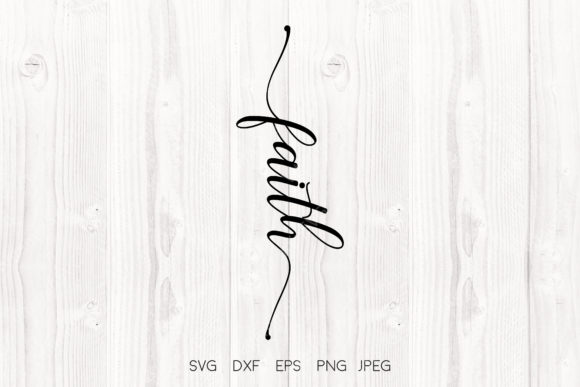
Though the product description mentions optimization for vinyl cut files, it's important to remember that machine embroidery requires different handling. Confirm whether the embroidery file format includes common extensions like .PES, .JEF, or .DST before assuming compatibility with your embroidery software or machine.
If you're using it as a print and cut file, consider layering it with additional textures or embellishments to give it a more tactile feel. Just don’t overdo it—this design is meant to speak for itself.
Final Thoughts: Faith in the Details
Let Your Faith Be isn’t just another embroidery graphic—it’s one that carries intention and purpose. As someone who regularly reviews designs for craft business use, I appreciate that it balances form and function without leaning into gimmicks or trendy fonts that may date quickly.
It’s a safe bet for a variety of applications, from custom apparel to boutique branding, and it lends itself well to both personal and commercial embroidery projects. With a little tweaking and smart placement, it can become a signature element in your design portfolio.
Remember, though, that every machine, fabric, and project is different. Take the time to test and adjust. That’s the mark of a confident and capable embroiderer—and it’s the best way to ensure your finished product looks as good as it feels.